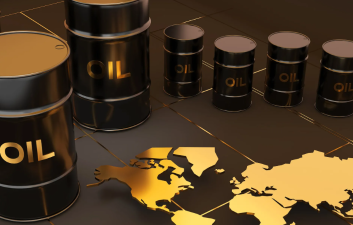
Oil is an exceptionally unique commodity. In financial markets, it is hailed as the "King of Commodities"—its pricing power does not reside entirely in the hands of the market, and its pricing logic differs significantly from that of many other goods. Moreover, every major fluctuation in its price sends ripples of anxiety across the globe. As a core upstream energy source spanning nearly the entire industrial chain, once oil prices enter an upward spiral, they often trigger a collective surge in the prices of most consumer goods. It also serves as a scepter of power; as Henry Kissinger once remarked, "Who controls oil controls all nations."
As one of the world's most critical energy sources, the rising demand for oil is influenced by a multitude of factors. Foremost among these is sustained global economic growth, which serves as a primary driver for increased oil consumption. During periods of economic prosperity, industrial production activities intensify and transportation demands expand—both of which necessitate greater oil consumption to satisfy energy requirements.
The primary reasons for the rise in oil demand can be summarized as follows:
Economic Growth Driving Industrial Development:
As the global economy continues to expand, industrial production activities intensify, leading to increased energy demand. As one of the principal energy sources, oil sees its demand rise in tandem with this trend. The expansion of various sectors—such as manufacturing and transportation—spurred by industrial development, relies heavily on the support provided by oil.
Population Growth and Urbanization:
Continuous population growth and the advancement of urbanization processes stimulate increased oil consumption. As populations swell and living standards rise, the prevalence of vehicles and other modes of transportation increases steadily, thereby boosting the demand for oil as fuel. Concurrently, the development of sectors such as infrastructure construction and real estate—integral to the urbanization process—also requires substantial quantities of oil for support.
The Development of Emerging Industries:
In recent years, the growth of emerging industries has exerted a positive influence on oil demand. Sectors such as the chemical industry and the new energy industry, for instance, require vast quantities of petrochemical raw materials and energy support for their development, thereby driving an increase in the demand for oil.
Global Trade and Geopolitical Factors:
The vibrancy of global trade and the influence of geopolitical dynamics are also significant factors contributing to the rise in oil demand. Intensified global trade fosters closer economic ties among nations, leading to a broader circulation and utilization of energy resources. Meanwhile, geopolitical influences manifest when conflicts or shifts in specific regions impact the global oil supply, which, in turn, affects the overall demand for oil. For instance, political instability or armed conflicts in certain regions can lead to disruptions in oil supplies or impediments to transportation. This, in turn, prompts a search for alternative energy sources or accelerates the exploration and utilization of oil, thereby stimulating growth in oil demand.
Conclusion
The rise in oil demand is a complex phenomenon with implications spanning multiple domains—including the economy, energy, and the environment. Consequently, nations must take a comprehensive approach during their development processes, formulating sound policies and strategies to achieve sustainable development.